
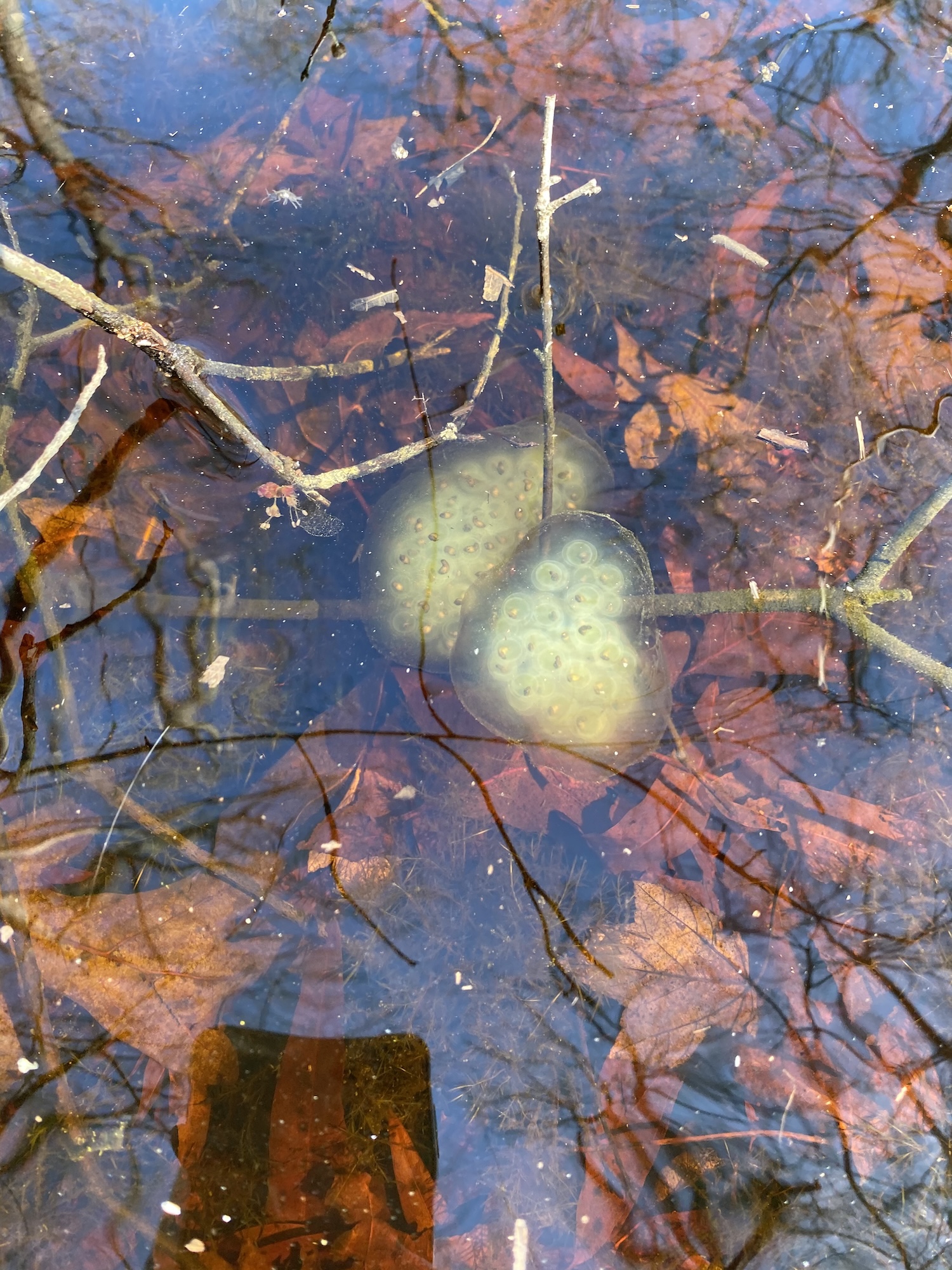
Vernal Pools Cooperative of Virginia
About this Project
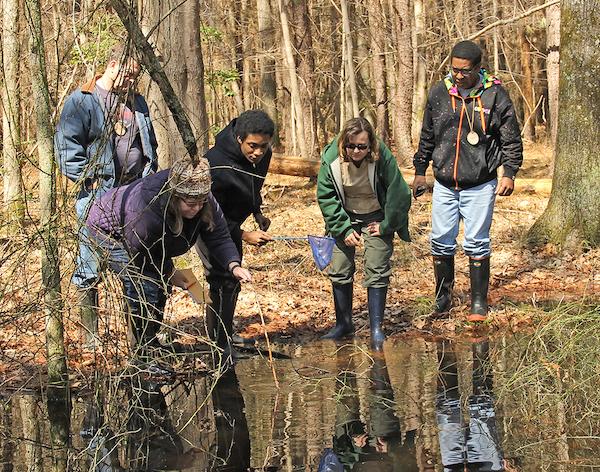
This project engages Virginia Master Naturalist volunteers in monitoring, providing educational programs about, and stewarding vernal pools in Virginia. The pools are primarily on public properties such as local parks and state parks.
Who Is Involved?
Volunteers for this project need to be enrolled Virginia Master Naturalist volunteers in one of our 30 chapters or be land managers participating in their professional capacity.
Most project activities, including sharing the data for local conservation purposes, are done by the volunteers. The following individuals are providing some structure and organization for the project:
- Michelle Prysby – Virginia Master Naturalist Program Director, Virginia Tech/Virginia Cooperative Extension, assisting with communications and organization.
- Susan Watson – Virginia Department of Wildlife Resources, providing technical and scientific direction and training workshops.
- Anne Wright – Virginia Commonwealth University (retired), providing technical and scientific direction and training workshops.
- Paula Labieniec – Virginia Master Naturalist volunteer, Pocahontas Chapter, serving as database coordinator.
Project Resources
Additional resources may be found by project participants on the CitSci.org site.
Vernal Pool Cooperative Activity Proposal Form
Vernal Pool Cooperative Chapter Liaison Job Description: We need one point-of-contact for each VMN chapter participating in this project. Please contact Michelle Prysby to volunteer for this role.
New Pool Submission Data Sheet: This document may be printed and used in the field to record data to submit a new pool for monitoring. To submit a new pool, please contact the database coordinator, who will have you complete an online form and then will review the information before adding the pool to the database.
Vernal Pool Observation Data Sheet: This document is meant to be printed and used in the field to record data during regular monitoring visits to established pools. Please contact the project leaders if you need a different version for digital accessibility.
Sample Report to Land Managers: Volunteers may adapt this template to report findings to the land managers of the pools they monitor.
Potential Add-on Activities for Volunteers
These are activities that VMN volunteers might do to increase the impact of the project, broaden its reach, and engage other volunteers, beyond those involved directly in the data collection. Not every activity will be appropriate for every site.
- Invite the land manager for the site to join you for one of the monitoring trips
- Hold a vernal pool-themed nature walk for the public at one of your sites (if there is one that is appropriate for a group to visit)
- Work with land managers to put up signage near the pools about what vernal pools are and why they are important
- Plan a stewardship event at a vernal pool site if there’s litter clean up, invasive plant management, or trail work that volunteers can do
- Do other citizen science at the site, such as using it as a site for a bird count, butterfly count, dragonfly count, etc.
- If the site is a place like a state park where there might be visitors on nearby trails, work with the park to be a ‘roving naturalist’ (perhaps on a busy Saturday) where you can be on the trail showing the pools to visitors.
Useful Links
- Herpetofaunal disease resources from Partners in Amphibian and Reptile Conservation (PARC). Volunteers in this project must disinfect boots and equipment to reduce the chance for spreading diseases. This PARC page provides recommendations on how to do it.
- Current Vernal Pools Cooperative of Virginia Project on CitSci.org. A CitSci account is required to submit data to this site. Members of the CitSci project must be currently enrolled VMN volunteers or land manager partners assisting with the project in their professional capacity.
- Information on permits from the Virginia Department of Wildlife Resources. A scientific research and collection permit is required for this project if wildlife will be handled or if sampling will involve walking through and disturbing the pools. For most pools, volunteers should observe from the perimeter only and avoid handling any wildlife. If the local land manager wishes for more intensive monitoring, volunteer must apply for a permit or be listed as collaborators on the land manager’s permit.
- Various blog articles from CitSci.org on how to use their site.
- Training videos: Hannah Bement, a previous VMN volunteer working on this project, created two training videos for her chapter that others are welcome to watch and use.
Longer video (1 hour, 45 minutes)
Shorter video, more focused on procedures and identification (45 minutes)