The Power of Partnerships
Director’s Note: Local partnerships are a cornerstone of the Virginia Master Naturalist program. In 2025, VMN chapters worked with more than 500 different agencies and organizations. These partners included locality Parks and Recreation departments, libraries, nonprofit environmental organizations, federal lands, and many other groups. This article describes two new partnerships the Central Rappahannock Master Naturalists have developed in their community.
By Rikki Lucas, VMN Central Rappahannock Chapter
Partnering to Steward the Berger Patawomeck Preserve
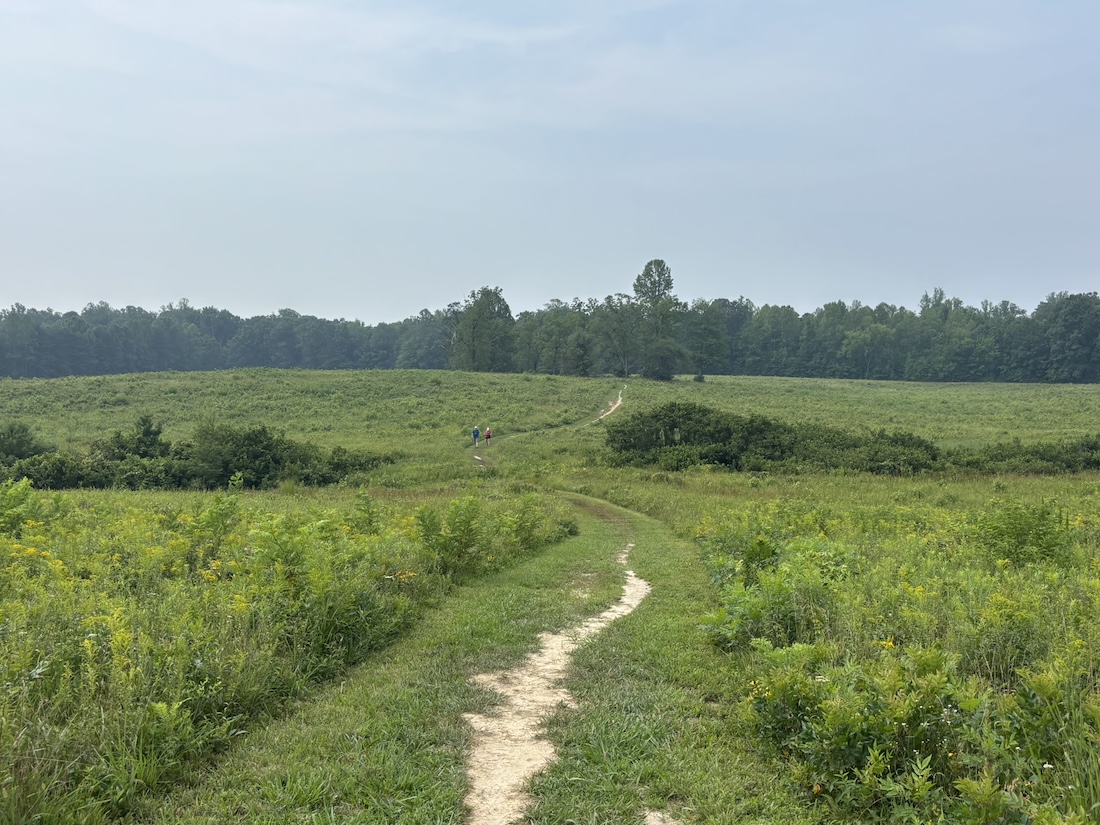
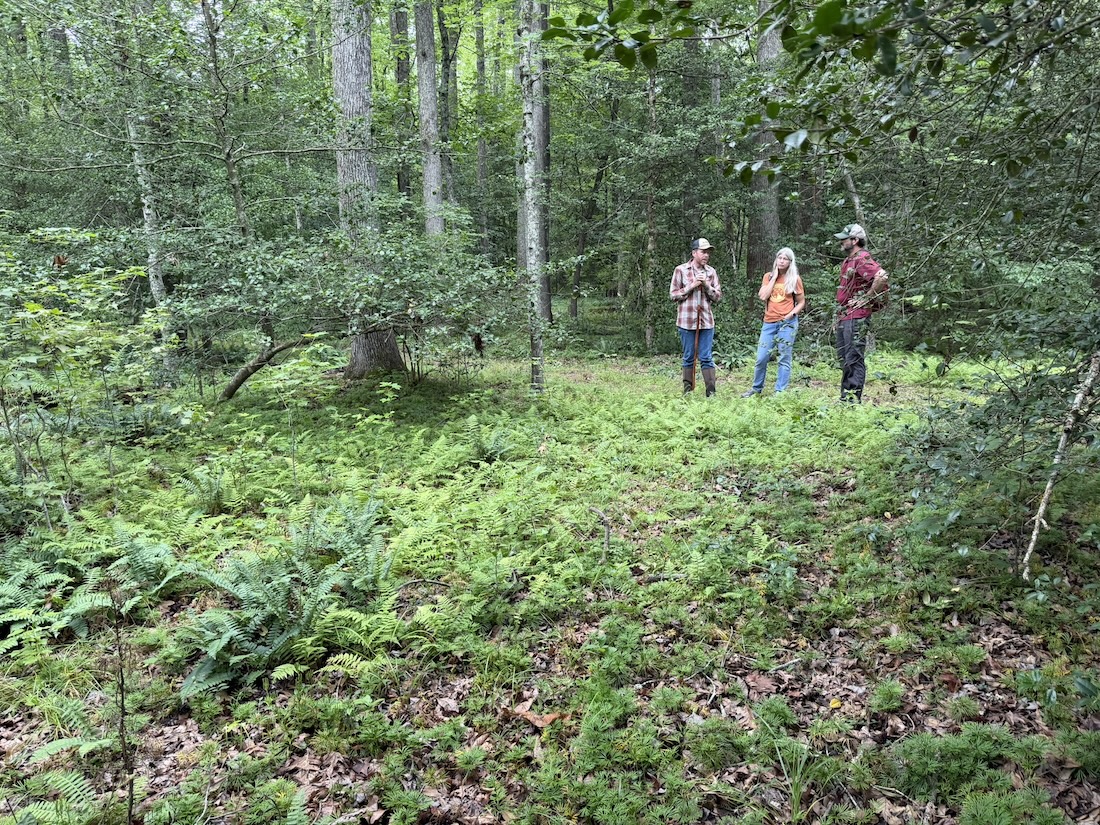
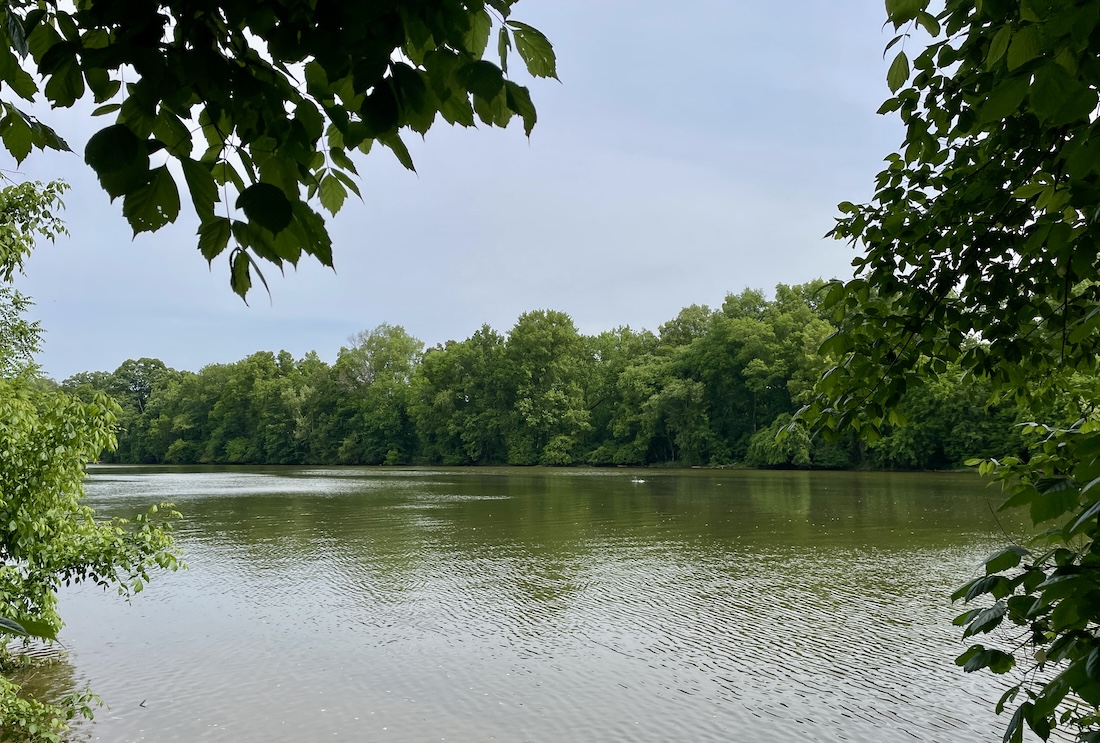
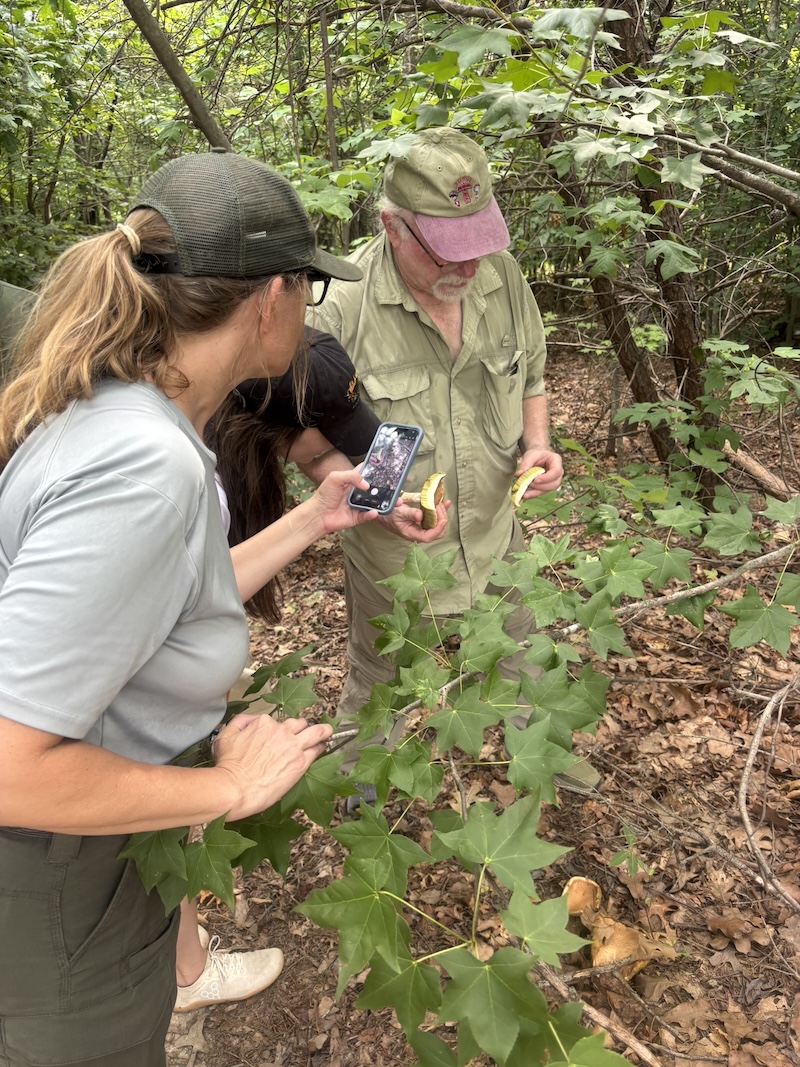
This year, Central Rappahannock chapter (VMNCRC) members Penny Firth and Karen Dolvin began an exciting partnership with the Patawomeck Indian Tribe of Virginia to help document the biodiversity of the newly established 865-acre Berger Patawomeck Preserve. Tribal representatives, university partners, and volunteer naturalists conducted scouting visits to identify opportunities for community bioblitzes and nature-based learning. These early explorations confirmed the Preserve’s remarkable ecological value. An informal survey yielded more than 50 documented species, including a Virginia state record for the mushroom Amanita penetrans.
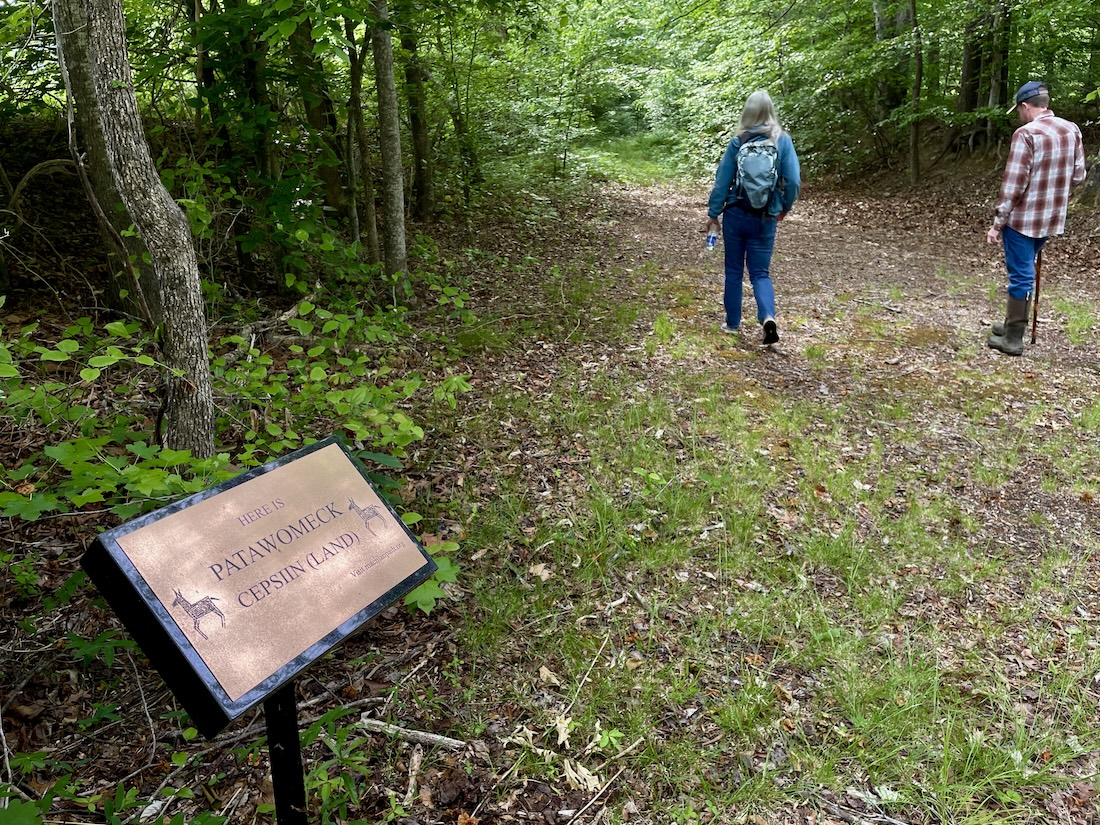
The most significant achievement, however, has been building a meaningful relationship through a shared commitment to understanding and stewarding the Preserve’s natural heritage. This collaboration lays the foundation for future bioblitzes, educational programs, and participation in Tribal community events. It is creating opportunities for two-way discovery and learning. By combining scientific observation with Indigenous stewardship and local volunteer expertise, this partnership is strengthening community connections while expanding knowledge of one of Virginia’s newest protected landscapes.
Partnering to Engage Veterans in Conservation
Another exciting new partnership is expanding opportunities for military veterans to engage in conservation while strengthening stewardship of Virginia’s historic landscapes. Building on the successful collaboration between Soldiers2Scientists and the Arlington Regional Master Naturalists at Manassas National Battlefield Park, Central Rappahannock Master Naturalist volunteers Rikki Lucas, Kevin Rousseau, and Harry Puffenberger joined forces with Soldiers2Scientists, the National Park Service, and the Central Virginia Battlefields Trust to establish a similar program at Fredericksburg and Spotsylvania National Military Park and private historic battlefield properties.
This collaboration is creating a growing network of organizations committed to connecting veterans with citizen science. Together, the partners identified locations for American kestrel nest boxes, vernal pool monitoring, bioblitzes, and other field projects that will provide meaningful volunteer experiences while collecting valuable ecological data. VMNCRC is using lessons learned from the Arlington Regional Master Naturalists and tailoring activities to local resources.
The partnership brings together organizations with complementary missions: Soldiers2Scientists empowers veterans through scientific service; VMNCRC provides citizen science expertise and volunteer leadership; the National Park Service contributes stewardship of nationally significant public lands; and the Central Virginia Battlefields Trust expands conservation opportunities on protected battlefield landscapes.
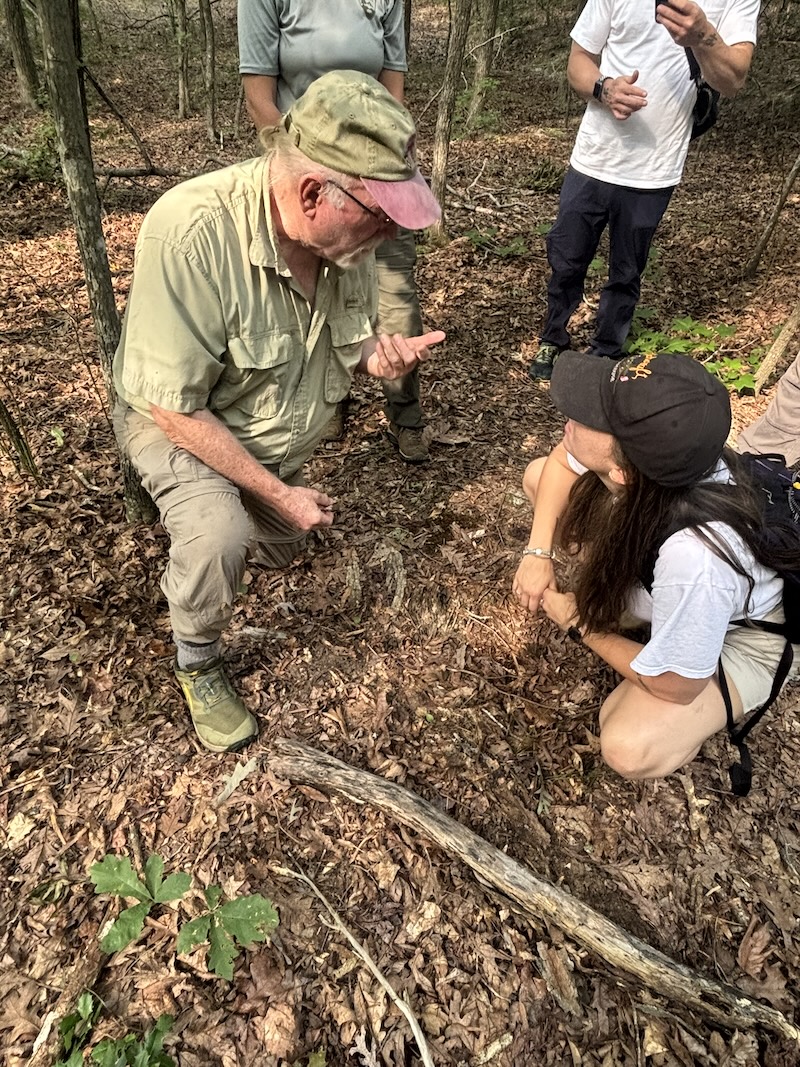
Although the program is just getting underway, it has already demonstrated the power of collaboration. Veterans, naturalists, land managers, and conservation organizations are working side-by-side. They are creating new pathways for service, learning, and community engagement. By linking successful programs across Virginia and building lasting partnerships, this initiative is establishing a model that can inspire similar collaborations throughout the Commonwealth that benefit both people and the landscapes they help protect.