
The Habitat Garden at the Virginia Museum of Natural History
By Christy Deatherage and Kevin Bezy, VMN Southwestern Piedmont Chapter
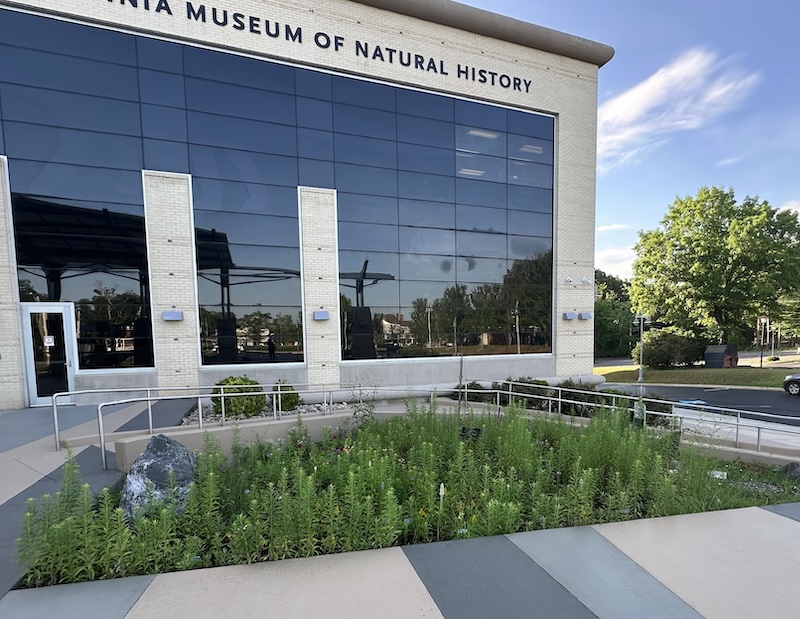
In March and April 2026, the Southwestern Piedmont Chapter of the VMN, in collaboration with the Virginia Museum of Natural History, started the process of reestablishing a wildlife habitat garden at the museum. The garden is an educational exhibit in front of the museum’s building in Martinsville. This exhibit demonstrates that any visitor to the museum can establish a wildlife habitat in their homes, communities, places of worship, and businesses. The museum will use the garden in educational programs with visiting groups, homeschool families, and summer camps.
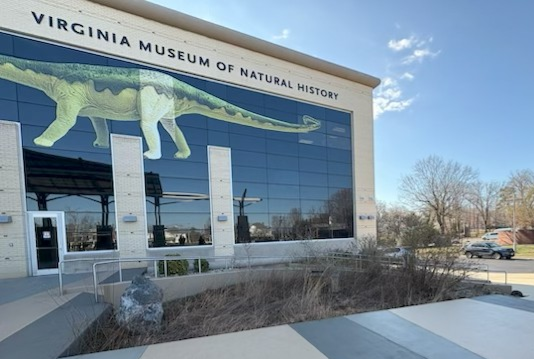
This garden had been created years ago. It was time to rework the garden. Twelve members of the Southwestern Piedmont chapter, along with dedicated museum employees, redesigned the garden with several goals in mind. The group wanted to include the habitat essentials of food, water, cover, and nesting areas, along with an emphasis on native plants. The goal was to have all native plants in the garden. Over the past several months, the volunteers weeded out the plants that did not fit the plan. Native plants were bought or donated and planted in the garden.
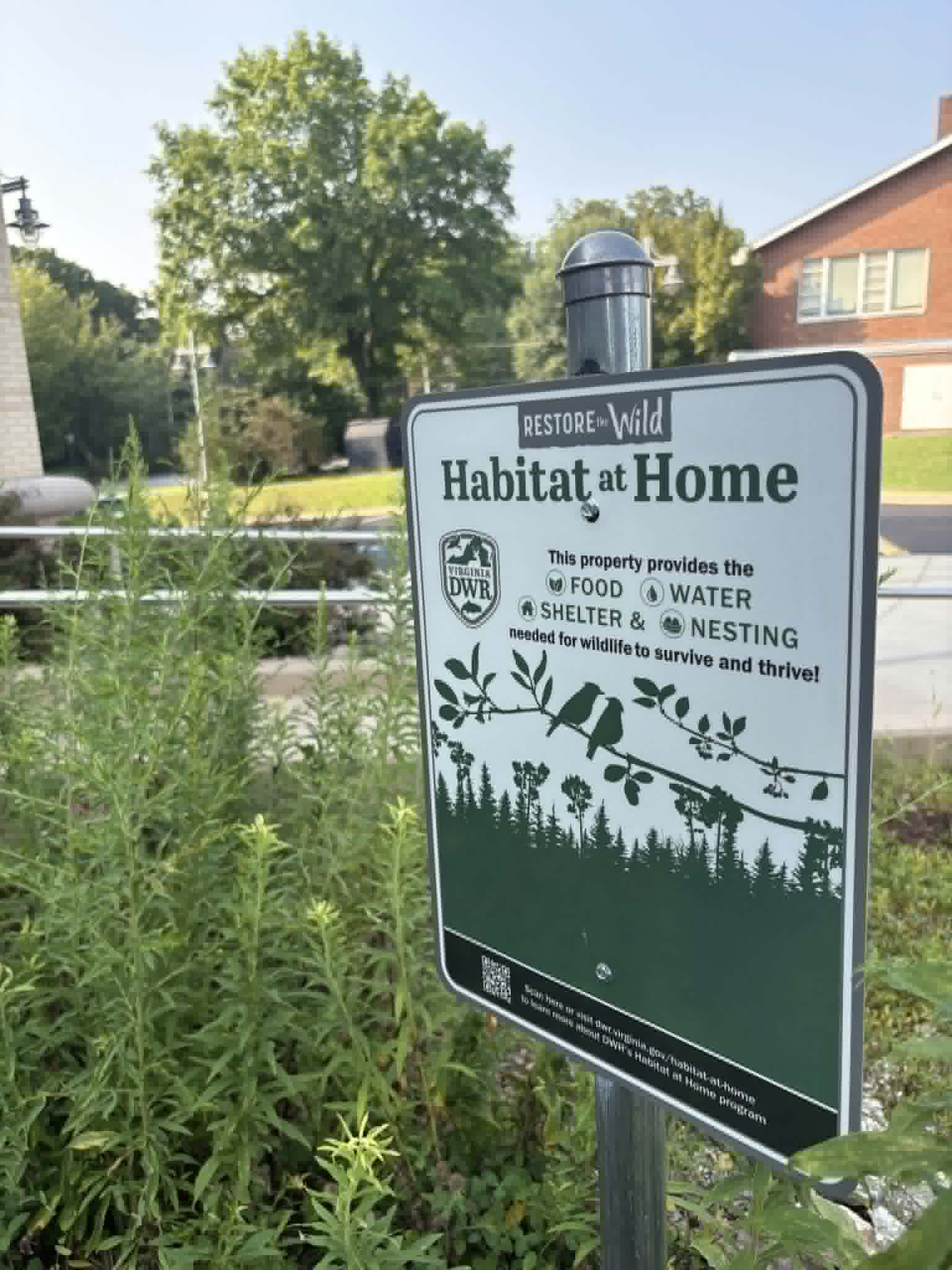
The chapter wanted to seek out certifications from state and national organizations to add distinction to the project. In light of that, the members used the requirements for habitat designations to guide the project. The Virginia Department of Wildlife Resources has a new Habitat at Home Certification. To attain this certification, the chapter members included food sources, habitat layers, native plants, shelter and nesting areas, a water feature, and planned conservation practices. The National Wildlife Federation required the habitat essentials mentioned above. Their requirements emphasized planting with a purpose – supporting wildlife.
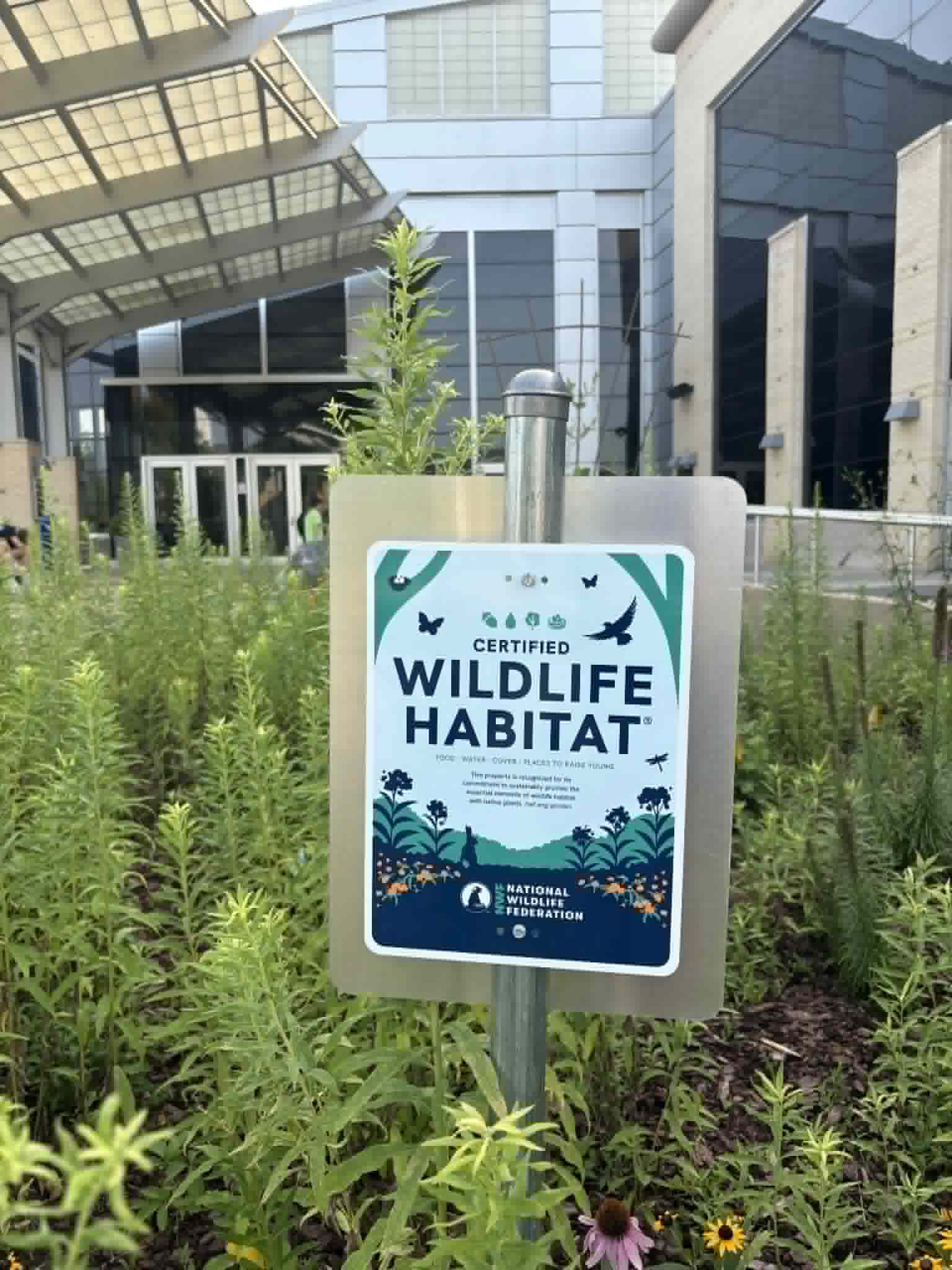
The chapter received the Certified Wildlife Habitat certification from the National Wildlife Federation and the Habitat at Home certification from the Virginia Department of Wildlife Resources.