

From Our Sponsors
Virginia Department of Forestry: Got Emerald Ash Borer? Enroll in a cost-share program!
Submitted by Lori Chamberlin, Forest Health Manager, Virginia Department of Forestry
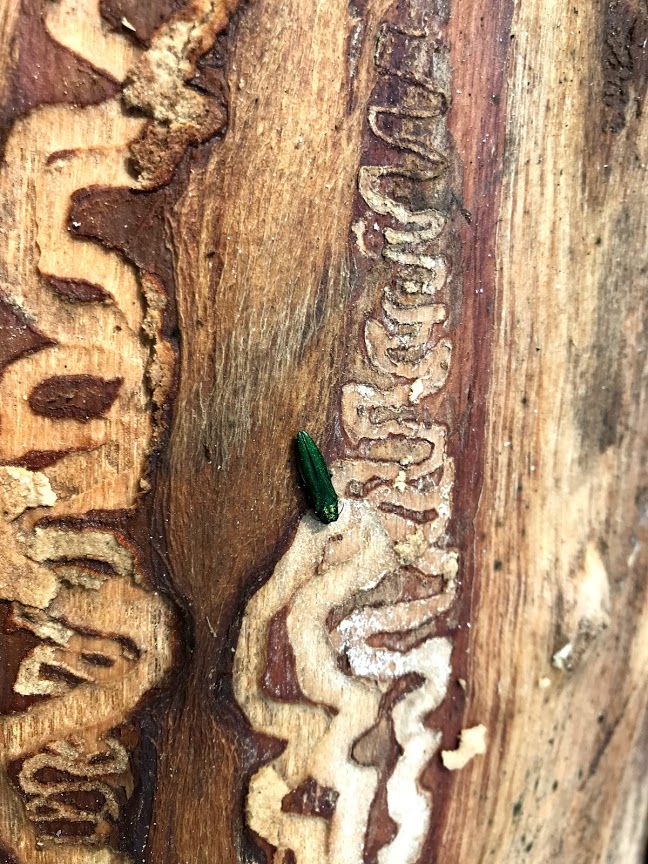
Enrollment for DOF’s emerald ash borer treatment cost-share program is open! This program provides financial assistance to landowners and organizations statewide for the treatment of ash trees to protect them from the invasive emerald ash borer. This year, the program will offer reimbursement for up to 70% the cost of injection treatment for qualifying ash trees. A site visit from a DOF forester and a treatment quote from a certified pesticide applicator are required before project approval. All applications are due by June 18, 2026. Get additional information about eligibility and the application process.
Virginia Department of Environmental Quality: Citizen Monitoring Grants
Submitted by Sharon Baxter, Virginia Department of Environmental Quality
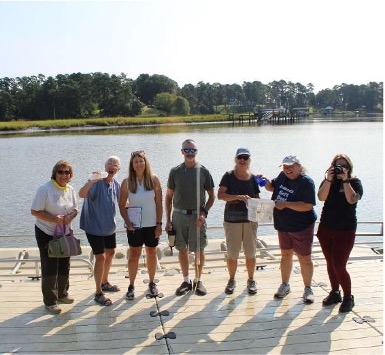
DEQ’s Citizen Water Quality Monitoring Grant program was established by a General Assembly budget amendment in 1999. In a typical fiscal year, the General Assembly will appropriate up to $88,000 in grant funds for eligible activities by volunteer monitoring organizations in Virginia. The annual application period usually opens in late summer, with funded projects to begin early the following year. Get more information on the Citizen Water Quality Monitoring Grant program.
2026 Grantees
Coordination Grantees (up to $11,000)
- Izaak Walton League of America (Virginia Save Our Streams)
- Lake Anna Civic Association
- Potomac Riverkeeper Network
- Prince William Soil and Water Conservation District
- Smith Mountain Lake Association
Regular Grantees (up to $5,000)
- Chesterfield County Department of Environmental Engineering (Chesterfield WaterTrends)
- Goose Creek Association
- James River Association
- Nansemond River Preservation Alliance
- New River Conservancy
- Rivanna Conservation Alliance
- Semper Sky LLC
- The Mariners’ Museum and Park
- Virginia Master Naturalists Historic Southside Chapter
- Virginia Master Naturalists Peninsula Chapter
- Virginia State University, Department of Biology
Mini Grantee (up to $1,000)
- Appomattox Regional Governor’s School
2027 Monitoring Year Nominations Cycle Open
In accordance with § 62.1-44.19:5, any person may request that a specific body of water be included in DEQ’s annual water quality monitoring plan. Each request received by April 30th shall be reviewed when DEQ develops the annual water quality monitoring plan for the following calendar year. DEQ will respond in writing on its approval or denial of each nomination by August 31st. To nominate water bodies for monitoring, please follow the instructions in the agency’s nomination form. For more information please visit https://www.deq.virginia.gov/water/water-quality/monitoring.
Virginia Department of Conservation and Recreation: Special events offered for the 40th anniversary of the Virginia Natural Heritage Program
Submitted by Emi Endo, Virginia Department of Conservation and Recreation
The Virginia Natural Heritage Program invites nature lovers to join special hikes and events led by staff experts across Virginia as the program celebrates its 40th anniversary in 2026.
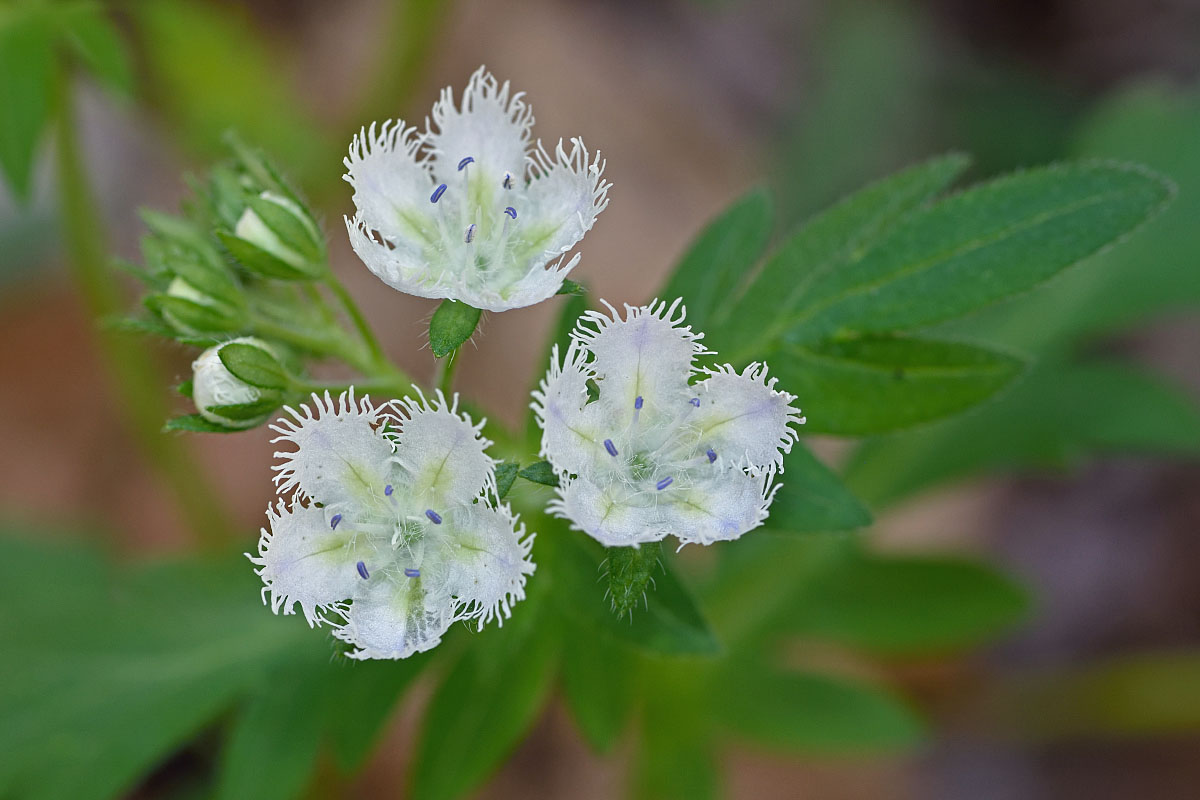
Among the planned spring events are opportunities to help restore river cane, view the state’s best population of a rare wildflower and to see the state’s earliest flowering orchid.
Most of the events are free of charge. Space is limited and registration may be required. For details on the events and registration information, check out a map of the events on the website, which will continue to be updated in the coming months: https://dcr.virginia.gov/natural-heritage/nh40.
Founded in 1986, the Natural Heritage Program leads statewide efforts to document and protect Virginia’s rarest species and elements of native biodiversity. Since its inception, Natural Heritage scientists have helped to discover 64 species new to science and documented 441 species never before recorded in Virginia.
The internationally recognized program manages 69 natural area preserves protecting more than 66,700 acres. More than 20 of the preserves provide public access for low-impact recreation opportunities.
To commemorate the 40th anniversary, Natural Heritage is hosting interpretive guided walks at preserves throughout the state – including preserves on mountains and even below ground in caves. Events will be held at a couple of preserves not normally open to the public.
Other events include talks about natural heritage resources, and guided walks at other sites where experts will discuss rare plants, animals and natural communities that the program protects.
For the first time, Natural Heritage offered guided hikes at three natural area preserves on New Year’s Day as part of the nationwide First Day Hikes program.
This year also marks the 100th anniversary of the Virginia Department of Conservation and Recreation, the agency in which Natural Heritage is based.