

Botanical Behemoths: The Ecology and History of Pumpkins
Contributed by Kat Myer, Virginia Master Naturalist Student Assistant for Communications and Volunteer Engagement
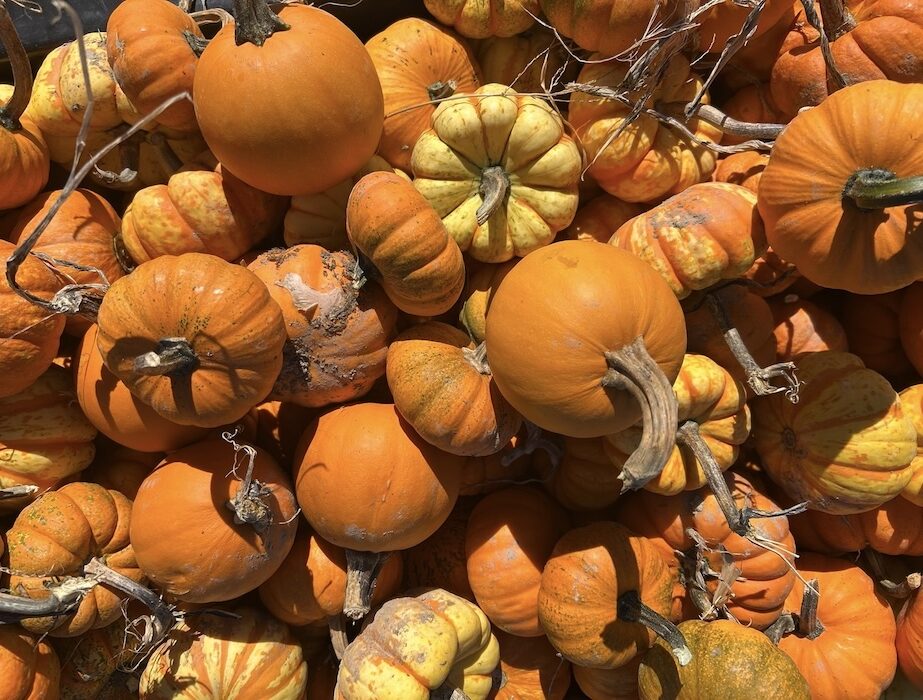
Pumpkins have evolved throughout American history as both a native plant and a domesticated crop. They have long been a staple of agriculture and culture, sustaining communities for centuries.
Growth and ecology of pumpkins
Planted in late spring and early summer, pumpkins grow throughout the summer months. People generally harvest pumpkins about four months after planting, between September and October. They grow best in loose soil with high water capacity or in areas with ample irrigation. Without ample, consistent water, flowers and fruit suffer, resulting in wilted flowers, lower yields, and smaller fruit. During the growing season, they develop large, leafy vines, and large golden flowers form in warm months and become squash as the weather cools. Once pumpkins develop large leaves and vines, they compete strongly with weeds, making them an ideal crop for rotation. While they compete well with weeds, pests and disease can significantly reduce pumpkin growth and yield. However, not all insects harm pumpkins. Their flowers rely heavily on local pollinators for growth and development, which play a crucial role in the fruit’s health (Penn State Extension, 2005).
Traditionally, pumpkins are known as one of the Three Sisters. Maize, beans, and pumpkins are often grown together because each benefits the others. Cornstalks provide “poles” to support the beans, beans are nitrogen fixers that help support the soil for crops around them, and with their large leaves, pumpkins protect the soil from weeds for maize and bean crops (Autumn Harvest, 2025).
Agricultural history and diversification
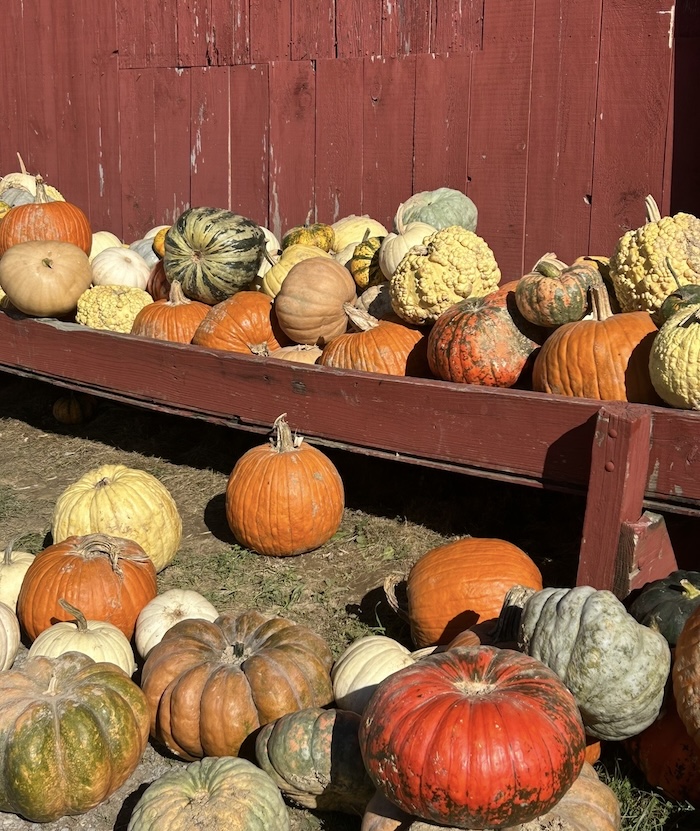
Pumpkins belong to the Cucurbitaceae family, and modern pumpkins evolved from smaller, thinner-skinned, and more bitter squash varieties. Pumpkins are native to the Americas, and archaeological evidence of pumpkin domestication dates back 10,000 years, with evidence in Virginia dating to about 8,000 years ago (Historic Jamestowne, n.d.). Researchers have identified C. pepo and C. moschata varieties in the southwestern United States, and C. moschata and C. maxima are believed to have originated in central North America and northwestern South America.
Indigenous peoples across the Americas historically domesticated Cucurbitaceae species as crops alongside the other two of the Three Sisters. Pumpkins didn’t stay only in the Americas for long. Some evidence points to distinct squash varieties in eastern Asia, suggesting early trade between the Americas and Eastern Asia. When European colonists arrived in the eastern mid-Atlantic region of North America, they quickly adopted squash and pumpkin into their diets and began trading seeds back to Europe (PennState Extension, 2005).
Historical cultural importance and uses of pumpkins
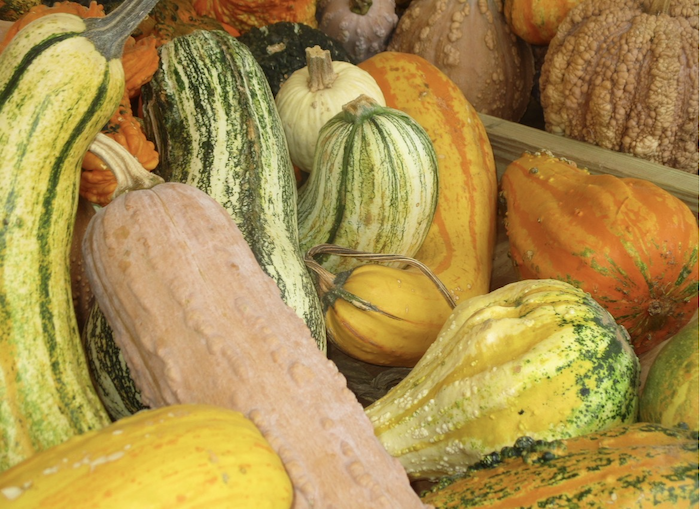
In Jamestowne, Virginia, significant archaeological records show pumpkins were used before European colonization and well after European settlement. Archaeologists have found preserved pumpkin seeds at sites in and around Jamestown. Oral literature, journals, cookbooks, and newspapers show that pumpkins were a key crop for Native Americans and that early settlers in Virginia quickly adopted them (Theobald, n.d.). In Virginia, tribes heavily cultivated pumpkins as a crucial part of the Three Sisters, helping reduce weed spread in cornfields and protect maize’s shallow root systems (Autumn Harvest, 2025).
Pumpkins also provided crucial winter nutrients for native peoples and early settlers. People dried the skins and made them into shelf-stable “vegetable jerky.” They dried the seeds, which provided a stable source of protein through the cold months. They also used seeds for medicinal purposes, supporting digestive and kidney health. People also often hollowed and dried pumpkins, then used them as storage containers (Autumn Harvest, 2025).
Europeans readily adopted the fruit, especially after traditional English crops like wheat and barley failed to grow easily in North America. Pumpkin pies, pumpkin beer, and strategic crop growth to feed humans and livestock alike became staples for Europeans settling in America (Alliance for the Chesapeake Bay, 2026).
Pumpkins today
Today, pumpkins remain relevant during the autumn season. Local coffee shops begin making pumpkin spice goodies, gourds and pumpkins pile up in farmers’ market stands and storefronts, little paper pumpkin cutouts decorate walls and ceilings, Jack-o-Lanterns get carved, and as trees become bare and late November rolls around, pumpkin pies, rolls, and baked goods continue to make their way to dinner tables. Like European colonists, who separated pumpkin species into two categories, slow–growing and tasty for humans, and fast-growing and nutritious for livestock, we’ve unintentionally done the same (Autumn Harvest, 2025). By this, I mean we’ve separated pumpkins into two groups: the fast-growing, classic round orange pumpkins at farmers’ markets, generally for decoration or Halloween festivities, and the sweeter species of pumpkins we grow for eating.
As we enjoy pumpkins during this time of year, consider the centuries they sustained life in the Americas, traveled across oceans, and diversified into crops we use today.
References
Alliance for the Chesapeake Bay. (2026, September 25). The noble, versatile pumpkin: more than just a jack-o’-lantern. Alliance for the Chesapeake Bay. https://www.allianceforthebay.org/2026/09/the-noble-versatile-pumpkin-more-than-just-a-jack-o-lantern/
Autumn Harvest. (2025, November 10). The Deep Connection Between Pumpkins and Indigenous People in North America. Autumn Harvest Pumpkins. https://autumnharvestpumpkins.com/blog/the-deep-connection-between-pumpkins-and-indigenous-people-in-north-america/
Historic Jamestowne. (n.d.). Pumpkin and Squash Seeds and Stems. Jamestowne Rediscovery. https://historicjamestowne.org/collections/artifacts/squash-seeds/
PennState Extension. (2005, June 20). Pumpkin Production. Penn State Extension. Retrieved October 20, 2026, from https://extension.psu.edu/pumpkin-production
Theobald, M. M. (n.d.). Some Pumpkins! Halloween Pumpkins in Colonial America. Colonial Williamsburg. https://research.colonialwilliamsburg.org/Foundation/journal/Autumn09/pumpkins.cfm