

From Our Sponsors – Summer 2026
The Virginia Master Naturalist program is sponsored by seven of Virginia’s state agencies. Each quarter, we share timely announcements from our sponsors about events, resources, and initiatives.
From the Virginia Department of Wildlife Resources: Habitat at Home Relaunch
Contributed by Stephen Living, Virginia Department of Wildlife Resources
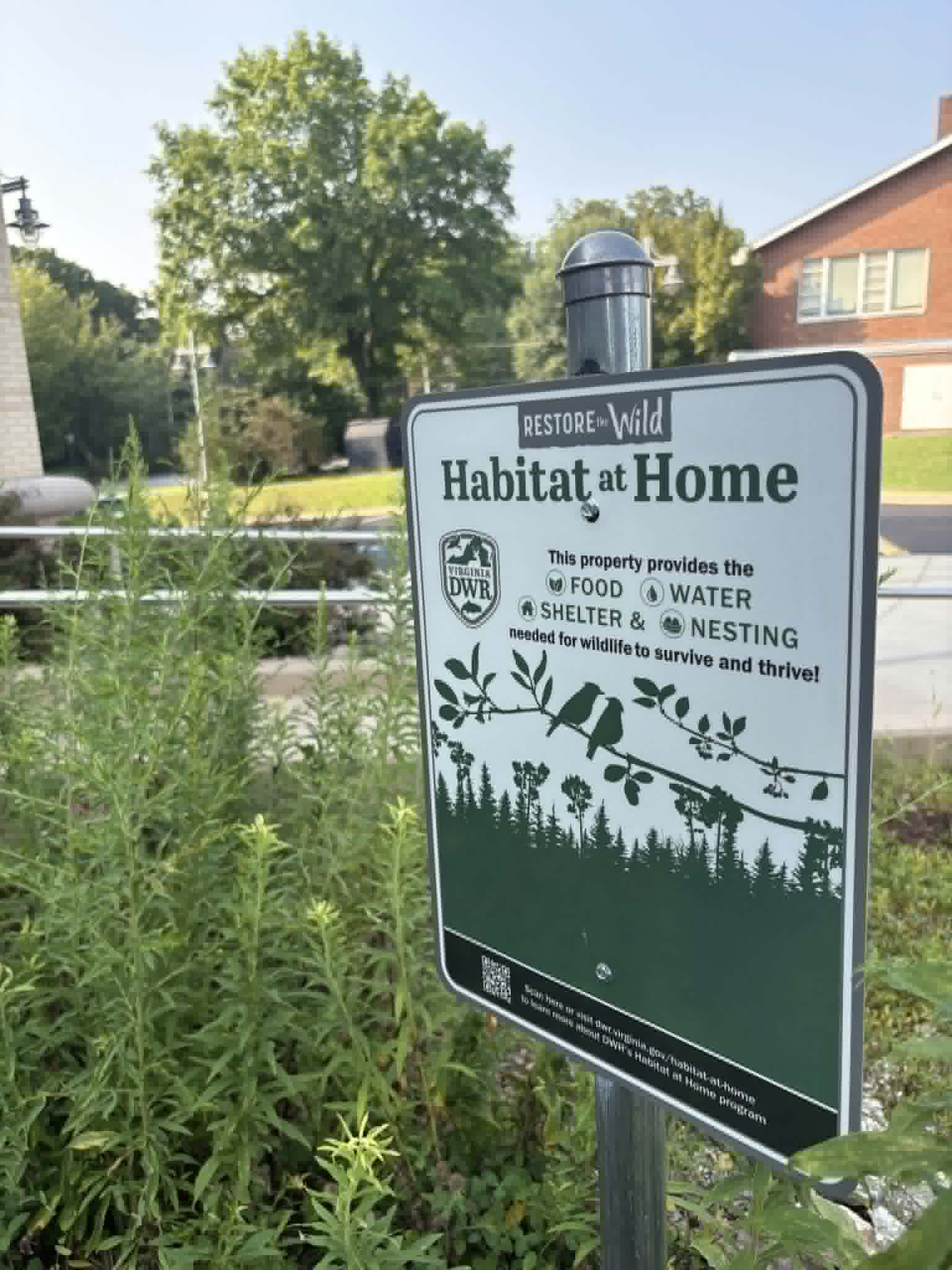
The Virginia Department of Wildlife Resources is proud to announce that we have relaunched our Habitat at Home certification. Habitat at Home provides the information, tips, and encouragement to create sustainable habitat for wildlife in your space.
Habitat at Home provides easy-to-follow summaries of each of the habitat elements. It describes how you can provide each element in your space – whether it’s a small urban parcel or an expansive rural retreat.
Once you’ve put these practices to use, you can work on certifying your Habitat at Home. With our simple online questionnaire, you can check that your space provides all the habitat elements. The form will let you know if there are areas to work on for your habitat to reach its potential and meet certification criteria. Successful applicants will receive a certificate that you can print, frame, or show off on your socials! If you really want to celebrate your good work, you can even buy a yard sign to show the whole neighborhood what you’ve achieved. This a great way for your neighbors to understand what you’ve been up to and may even inspire them to try. You’ll be a habitat ambassador for Virginia’s wildlife.
Be sure to join the Habitat at Home iNaturalist Project. Who will record the most Species of Greatest Conservation Need? Let’s find out!
Learn more about Habitat at Home
Note: DWR does not intend the Habitat at Home iNaturalist Project to be a separate volunteer service activity for VMN volunteers. It is an engagement tool to help the homeowners become more aware of their potential impact.
From the Virginia Department of Conservation and Recreation: New Invasive Species Resources
Contributed by Lindsay Caplan, Virginia Department of Conservation and Recreation
New Invasive Species Publications
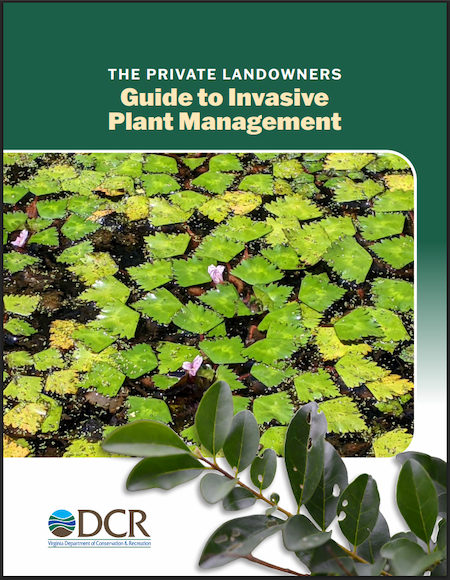
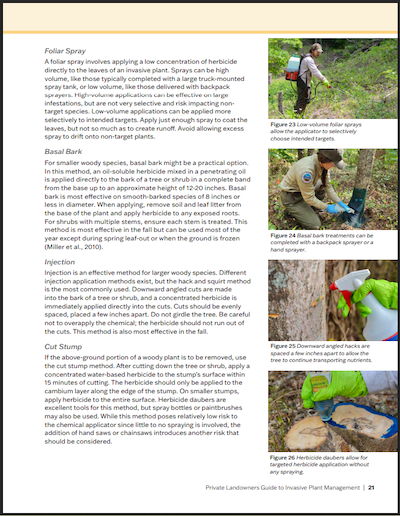
The DCR Natural Heritage Program recently released two new publications; The Private Landowners Guide to Invasive Plant Management, and The Land Managers Guide to Invasive Plant Management. These guides provide the reader with comprehensive, step by step guidance on the whys and hows of managing invasive plants. These full-color publications include extensive visual aids and a full list of additional helpful resources. Download PDF versions of the guides free of charge from the DCR website. Also see the website to order physical copies.
New Invasive Species StoryMaps
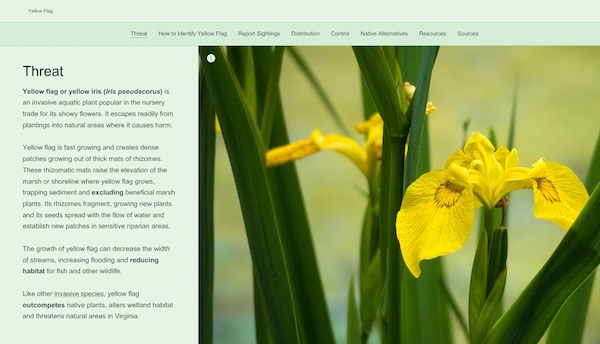
Beginning on January 1, 2027, plant retailers in Virginia will be required to have point of sale signage near any of 39 plant species listed as invasive in the Code of Virginia. To prepare for this new regulation, the Natural Heritage Invasive Species Team is creating new educational webpages, called StoryMaps, for those species. These StoryMaps empower consumers to make more ecologically friendly choices when it comes to their landscaping. The StoryMaps provide straightforward, easily accessible information about plants they may be considering. Each species page includes information on the threat the species poses, a visual description, its range in Virginia, and control options. The StoryMaps also suggest suitable native alternatives.
The first 20 documents have been released and are now visible on the DCR Invasive Plants webpage. The documents highlight a wide variety of species, including popular landscaping plants such as nandina, fountaingrass, and butterfly bush. Documents for the remaining 19 species listed in the law will be released in the coming months.
From Virginia Cooperative Extension: Fall Forestry and Wildlife Field Tours
Contributed by Jennifer Gagnon, Virginia Cooperative Extension and Department of Forest Resources and Environmental Conservation, Virginia Tech
This October, come help the Virginia Forest Landowner Education Program celebrate the longest running field tour series in Virginia!
Started in 1976 to promote sustainable forest and wildlife management practices, the Fall Forestry & Wildlife Field Tours have become one of the premier landowner education programs in the commonwealth!
To celebrate, we will explore sustainable forestry and wildlife management practices across 4 counties over 4 days (October 20-23). Tours visit private, public, and industry-owned lands and manufacturing facilities. Join us for 1, 2, 3, or all 4 days.