

Virginia Master Naturalist Program 2025 Year in Review
Each year, VMN chapter leaders work hard on annual reports that compile their membership and volunteering statistics and describe some of their most impactful projects from the year. It’s exciting for us to hear about their accomplishments, and it is clear that Virginia Master Naturalist volunteers are continuing to make important impacts in their communities and to benefit Virginia’s waters, woods, and wildlife.
Below, we present some of the 2025 data through a table of quantitative outputs and impact statements. To learn about more stories of volunteers and their projects, check out our 2025 VMN Program Awards announcement.
2025 Virginia Master Naturalists By the Numbers
2025 | |
| New Basic Training Graduates | 511 |
| Total Enrolled VMN Volunteers | 3,649 |
| VMN Volunteers Reporting Service Hours | 3,065 |
| VMNs Certified or Recertified for 2025 | 1,861 |
| Continuing Education Hours | 33,059 |
| Service Hours: Education and Outreach | 59,538 hours by 2,052 volunteers |
| Service Hours: Science | 87,559 hours by 2,378 volunteers |
| Service Hours: Stewardship | 71,887 by 2,208 volunteers |
| Service Hours: Chapter Leadership | 43,970 by 1,620 volunteers |
| Total Service Hours | 262,955 |
| Monetary Value of Service | $9.05 M |
| Sites Improved Through Stewardship | 948 |
| Number of New Habitat Sites Planted or Restored | 53 |
| Number of Direct Educational Contacts Made | 521,069+ |
| Number of Indirect Educational Contacts Made | 427,289+ |
| Number of Participatory Science Studies Supported | 60+ |
Virginia Master Naturalist Volunteers Support Conservation Statewide in 2025
Relevance
Americans’ interest in nature is growing, and many people engage in nature-based activities such as birdwatching. Time in nature also promotes physical and mental health. Despite this interest, many Americans still face a significant gap between their desire to engage with nature and their ability to do so. Individuals need opportunities to explore, care for, and observe nature in their local communities. Research shows that the most impactful experiences in nature tend to be deeply social, so opportunities should connect people with nature through social groups.
Despite strong public interest in nature, the Commonwealth of Virginia faces difficult natural resource challenges, including loss of wildlife habitat, impaired water quality, and invasive species. Natural resource agencies and partner organizations need support to address these issues, accomplish their missions, and reach more Virginians. Broad public engagement is essential to successful conservation of Virginia’s woods, wildlife, and waters.
Response
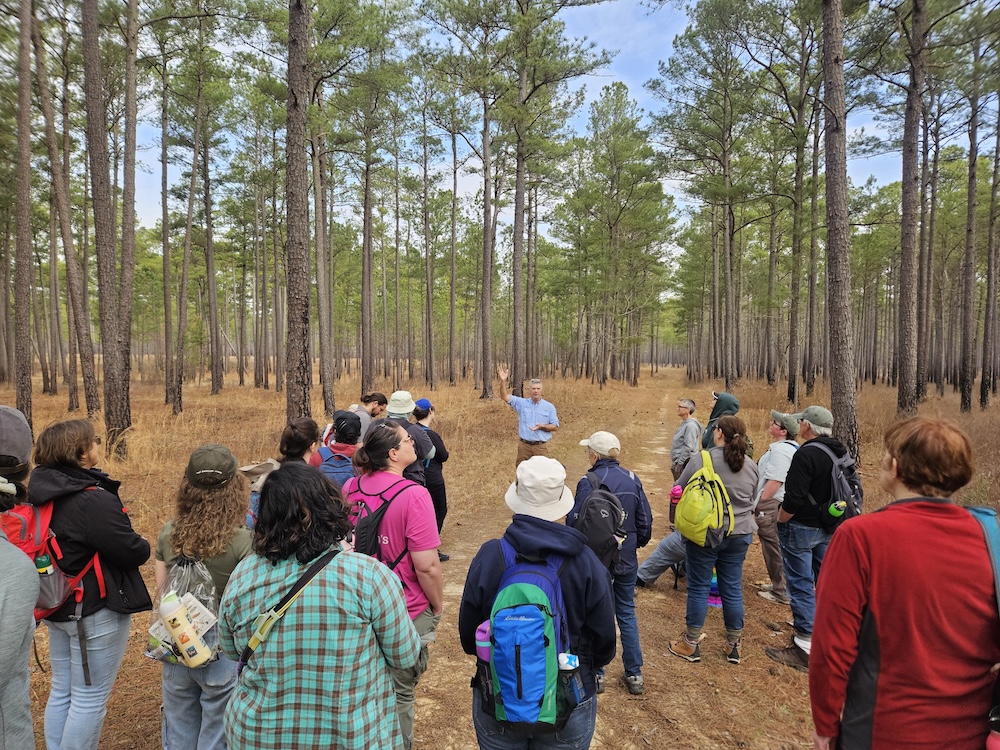
The Virginia Master Naturalist (VMN) program addresses these needs by supporting a statewide corps of volunteers who provide education, outreach, and service that benefit management of natural resources and natural areas in their communities. With 30 chapters across Virginia, the program expands the capacity of state and local natural resource agencies and partner organizations to achieve their missions, reach new audiences, and engage residents in conservation. Because of its chapter-based structure, the program also promotes learning about, exploring, and stewarding natural areas through social groups.
In 2025, the program grew to 3,649 enrolled volunteers. Together, they reported more than 262,955 hours of service in Virginia, valued at more than $9 million. VMN chapters offered 28 basic training courses, preparing 511 new volunteers to join the program. At least 1,861 volunteers earned the Certified Virginia Master Naturalist title by completing 40 hours of service and 8 hours of continuing education. Since the program’s inception in 2005, more than 8,200 individuals have completed VMN training, and those volunteers have contributed more than 2.6 million hours of service with a value of more than $74.6 million to the Commonwealth.
Partnerships are a cornerstone of the program, and most VMN activities are conducted in collaboration with other organizations. In 2025, VMN chapters partnered with 500 agencies, localities, and organizations across Virginia to accomplish shared conservation and education goals. Seven state agencies continue to sponsor and support the program and its volunteers.
Results
Overview
Volunteers contributed to four primary service areas: education and outreach (59,538 hours, $2 million value), stewardship (71,887 hours at more than 900 sites, $2.5 million value), participatory science (87,559 hours on more than 60 studies, $3 million value), and chapter leadership (43,970 hours, $1.5 million value). Their work led to increased environmental education opportunities, new data to support natural resource management, and improved public lands.
In 2025, VMN volunteers made noteworthy contributions in three key areas: supporting Virginia’s state parks, increasing access to nature for people of all abilities, and protecting water resources through riparian stewardship.
Supporting Virginia’s State Parks
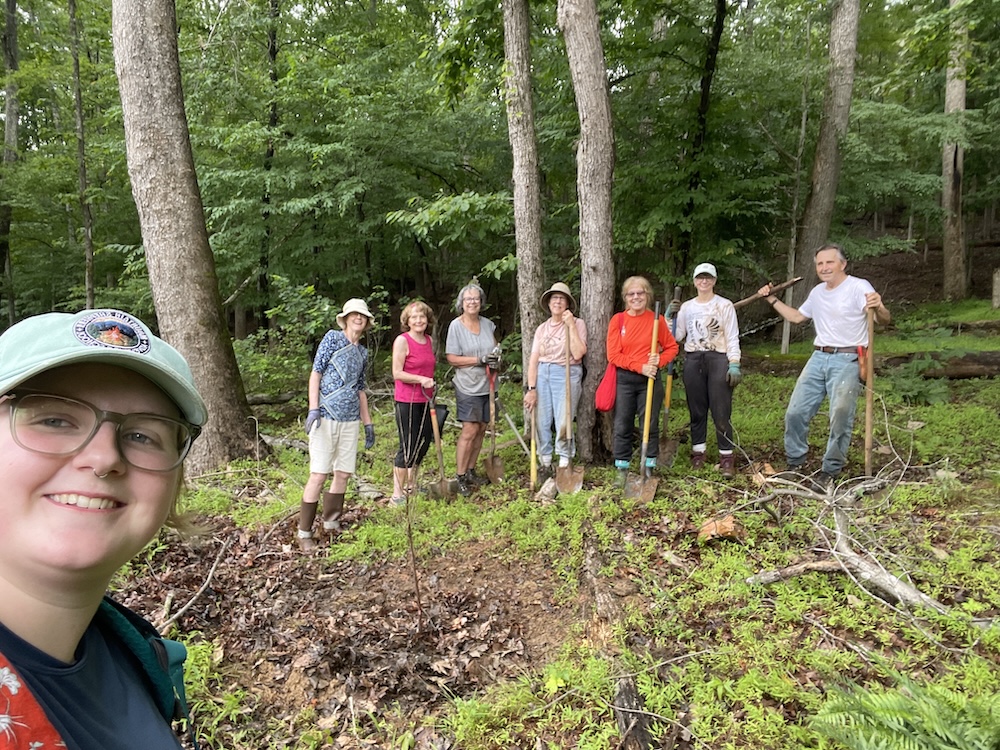
Service in Virginia’s state parks is one of the most evident ways that VMN volunteers increase the capacity of Virginia’s state natural resource agencies. In 2025, VMN volunteers contributed 12,656 hours of service in 37 of Virginia’s 46 state parks. This time is equivalent to more than six full-time positions. Their work included leading interpretive programs, assisting at special events, organizing youth day camps, creating educational displays and materials, and serving as roving rangers. Thousands more park visitors were able to have an educational experience with a knowledgeable leader. Often, the volunteers used specialized skills to offer unique programming, such as interpretive canoe trips, a demonstration maple syrup operation, and acoustic monitoring of bats. Thanks to VMN volunteers’ stewardship, state park trails and grounds are cleaner and safer for human visitors and more supportive of wildlife. In addition, park resource managers have more data about wildlife populations due to citizen science by VMN volunteers. VMN volunteers bring a unique skill set, motivation, and leadership that make them invaluable volunteers for the Virginia State Park system.
Increasing Access to Nature for People of All Abilities
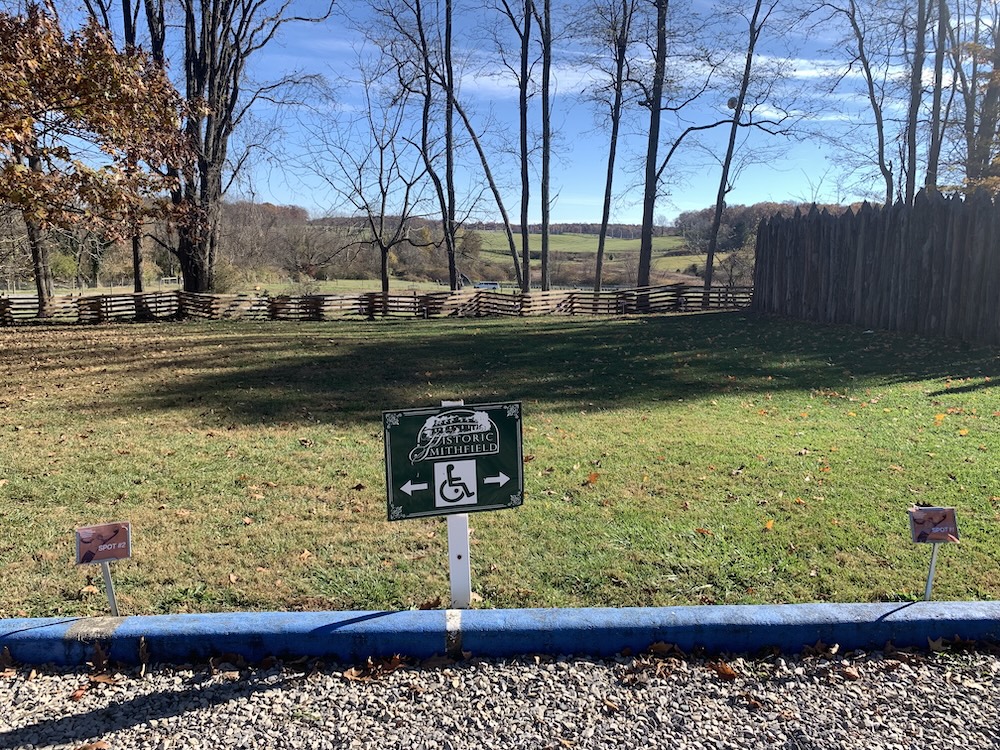
VMN volunteers increased nature access for people of all abilities. They added more than 100 sites to the Birdability map, a crowdsourced online tool cataloging accessibility features of wildlife viewing areas. VMN volunteers are collaborating with the Virginia Department of Wildlife Resources (DWR) to put accessibility information about all sites on the Virginia Bird and Wildlife Trail (VBWT) on the Birdability map, and volunteers made significant progress in 2025. Virginia now has 327 sites on the map—more than any other state. People with mobility challenges, disabilities, or other special needs use this information to find out whether a site will be appropriate for them. VMN volunteers also helped two state parks review the Birdability information and test new all-terrain wheelchairs to determine which trails would be most suitable for them. In addition, VMN volunteers expanded the scope of this work by holding educational events at some of the VBWT sites targeted at people who might face barriers to observing wildlife. These included a bird walk for blind participants in Culpeper and nature observation events for people with mobility challenges in Charlottesville, Lexington, and Chesterfield. The President of the Federation of the Blind of Virginia said the bird walk made him realize that “birds are all around us” and he will pay much more attention to their presence and their songs.
Protecting Water Resources through Riparian Stewardship
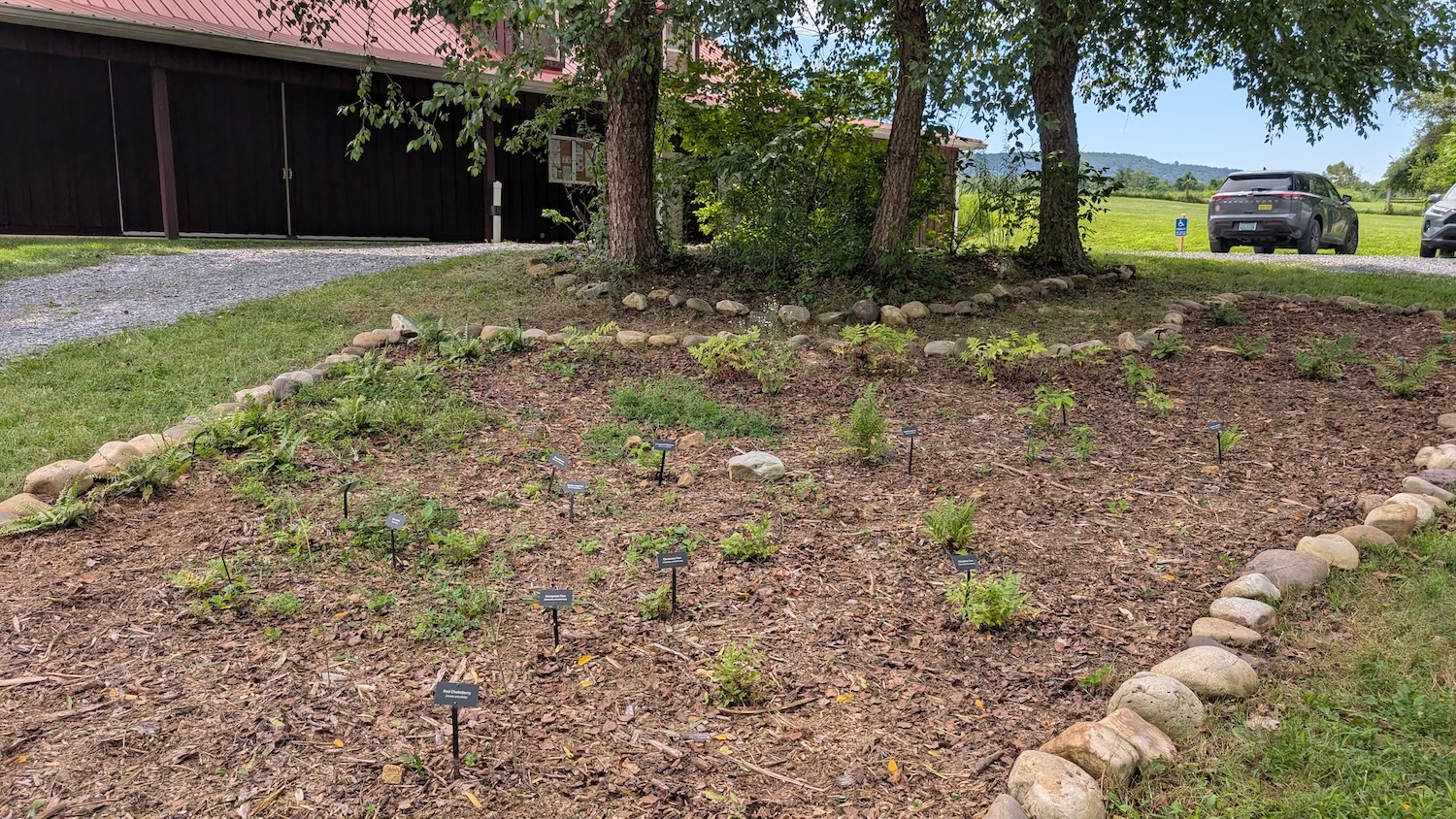
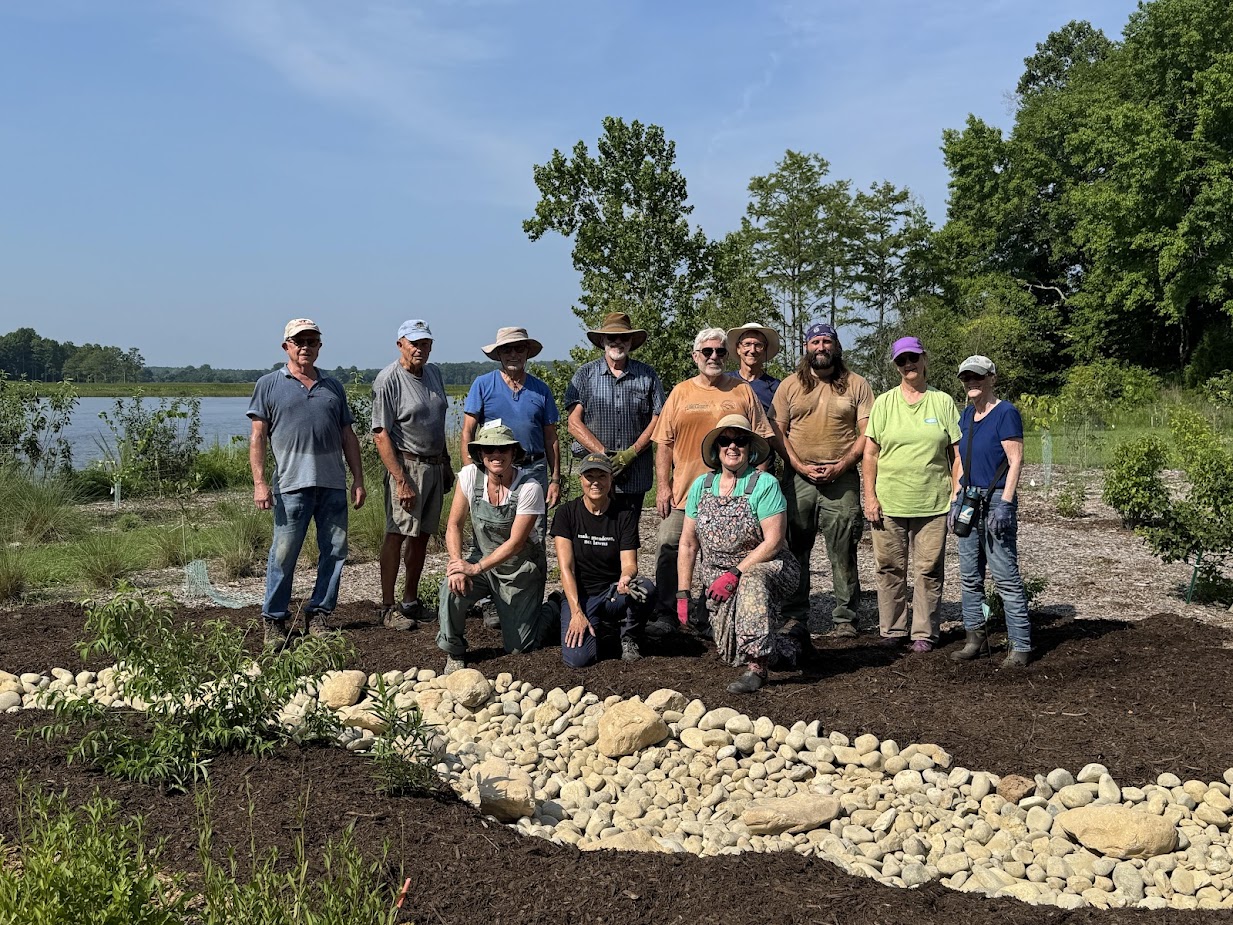
VMN volunteers supported waterway health with new riparian buffer and living shoreline projects. They helped install and maintain new riparian buffers or living shorelines in at least 35 locations in the Chesapeake Bay watershed. Often, the volunteers provided critical labor for partner organizations, such as the James River Association and the Chesapeake Bay Foundation. In other cases, such as at Brickyard Landing in James City County and the Rockfish Valley trails in Nelson County, the volunteers provided the vision, planning, labor, and management of the project from start to finish. Outside the Bay watershed, volunteers helped with recovery from historic flooding in Radford by planting riparian buffers and expanded a riparian buffer at Smith Mountain Lake with new bald cypress trees. Furthermore, volunteers expanded community capacity by teaching people about the importance of riparian buffers at outreach events and one-on-one advisory sessions for waterfront homeowners. More of Virginia’s waterways are now protected by trees, native vegetation, and oyster reefs.
Public Value Statement
Virginia Master Naturalist volunteers support conservation across Virginia through education, participatory science, and stewardship. They increase opportunities for Virginians to engage with nature. Their contributions to research and monitoring provide data for sound natural resource decisions. Their hands-on stewardship protects the Commonwealth’s woods, wildlife, and waterways.